About my practice

Clients I work with often bring issues such as depression, shame, loneliness, anxiety, relationship difficulties, life transitions, questions around sexuality, and the impact of neurodivergence.

Mental health struggles have many ways in which they can prevent someone from living a full life. Professional success and material security can coexist with deep struggles. Many people find that outward achievements don't resolve underlying feelings of not being good enough, or bring their own anxieties around loss, comparison with others, and isolation.

My practice is LGBTQ+ affirmative.
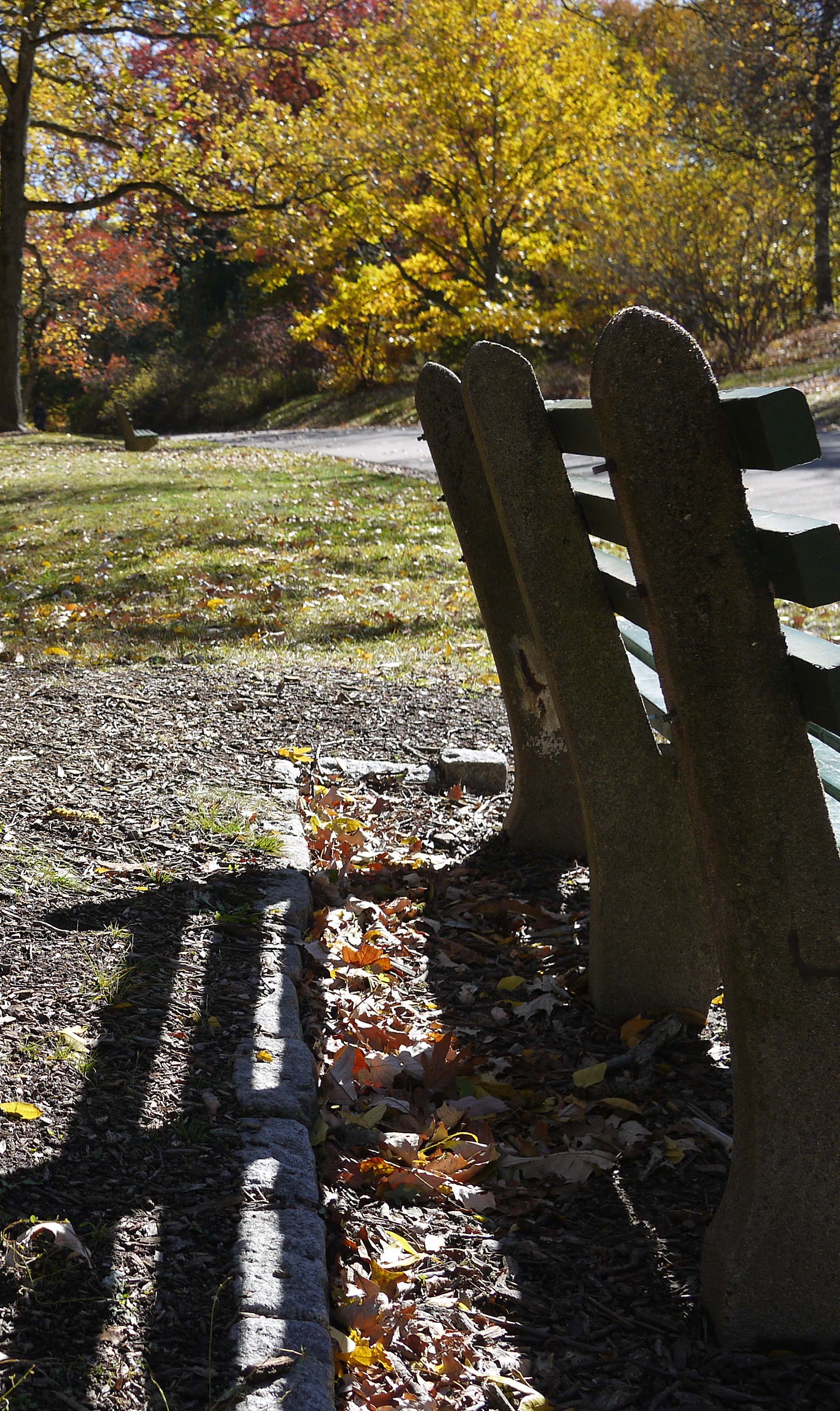
Park bench in sunshine

My therapy approach

I am concerned with understanding you as a person: both what you have in common with others with similar struggles, but also what makes you unique. (The currently fasionable term is “trans-diagnostic.”)

I offer an integrative approach grounded in relational psychoanalysis and with a focus on attachment. Our early experiences and relationships shape how we relate to ourselves and others, often out of conscious awareness. By bringing curiosity and awareness to those patterns we create the potential for transformation.

We can integrate EMDR to process traumatic memories. This includes memories of being shamed or “othered”, for example experienced by LGBTQ+ or neurodivergent clients.

Internal Family Systems (IFS) can be very helpful in working with parts of the self that we do not like or those that had to be dissociated. IFS has given a powerful framework to the concept of internal parts that has long been used by Gestalt therapists and by trauma experts like Janina Fisher. In the therapist-client relationship, it enables many non-psychoanalytic practictioners to work with what is really (in my view) the psychoanalytic concept of transference (of unconscious parts of the client and therapist interacting out of awareness). I haven't completed the formal IFS training, but I am familiar with its very useful concept of the “roles” of various parts, and its core philosophy of getting to know and befriending all parts is an integral part of my work.

Paying attention to dreams and their language of emotions and symbols can be a powerful way to access unconscious knowledge and support the therapeutic process.